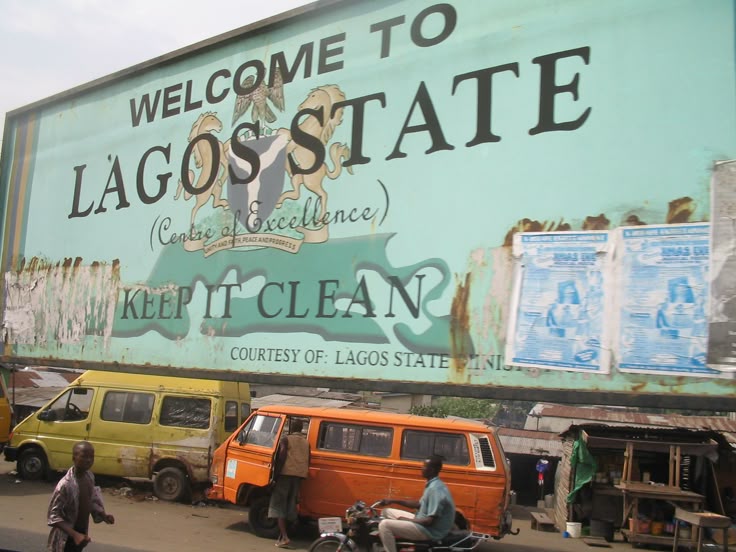
Have you ever wondered why Lagos, a city in the heart of Southwest Nigeria, carries a name that sounds nothing like the Yoruba language? Now, long before Lagos became Africa’s most populous city and Nigeria’s commercial capital, it was a peaceful Yoruba settlement known as Eko.
The story of how this Yoruba settlement received a Portuguese name is one that threads through indigenous roots, empire, trade, and colonialism.
Understanding how Lagos got its name means understanding the many hands that shaped it, and the one people it has always belonged to.
The Awori People
The earliest known inhabitants of what is today Lagos Island were the Awori people, a subgroup of the Yoruba ethnic group.
According to oral tradition, their founding ancestor, Olofin, migrated from Ile-Ife and settled his people along the coast of the Atlantic Ocean and the Lagos Lagoon. They called their home Oko, a Yoruba word meaning “farm.”
The Awori chose this location deliberately because it was surrounded by water, shielded by barrier islands, and rich with fish and farmland. It was a community built on balance, with the ocean on one side and the lagoon on the other, and generations of Yoruba tradition in between.
According to BlackPast.org, the Awori had established a stable and organised community on Lagos Island as early as circa 1350.
EKO
In the 16th century, the powerful Benin Empire expanded westward under Oba Orhogba, conquering the island.
The Benin Kingdom transformed the Awori settlement into a military outpost, a strategic war camp from which they could project power across the region.
It was during this Benin occupation that the settlement was renamed Eko. The name comes from the Edo language, spoken by the Benin people, and is associated with the idea of a war camp or military base.
Some historians also link it to the Edo word for “cassava farm” and according to DiscoverLagos.ng, the name Eko became the identity the Yoruba people held onto even as power changed hands again and again.
And hold onto it they did.
Even today, Eko is how millions of Lagosians refer to their city. The phrase “Eko o ni baje”, meaning “Lagos will not be spoiled”, is a declaration of Yoruba pride rooted in a name that predates every colonial border drawn on a map.
LAGOS
In 1472, Portuguese explorer Rui de Sequeira sailed along the West African coast and arrived at the island.
As he and his crew navigated the extensive network of lagoons, creeks, and waterways surrounding the settlement, they were immediately struck by the foundation. They named it Lago de Curamo, which in Portuguese means “Lake of Curamo”, which was eventually shortened to Lagos, a Portuguese word meaning simply “lakes.”
According to Lagos’s history, a second theory holds that the Portuguese may have named the settlement after their own city of Lagos in southern Portugal, a major Atlantic port and the launchpad for many of Portugal’s African expeditions during the Age of Exploration.
Both theories point to a single word: Lagos means “lakes”.
The local obas (kings) welcomed early Portuguese contact, and trade began to develop. Initially. This trade involved ivory, pepper, and cloth, but, as Britannica notes, by the 17th century, Lagos had become one of the most active slave-trading ports in West Africa.
The name Lagos moved from a Portuguese trader’s map to an official colonial title when the British arrived.
After a naval bombardment in 1851 and the signing of a treaty by Oba Docemo in 1861, Lagos was formally declared a British colony, and the British administration brought written governance, formal records, and the permanent stamping of Lagos onto every official document, map, and policy.
Under British rule, the city changed. Formerly enslaved people from Brazil, Cuba, and Sierra Leone returned to Lagos, bringing with them diverse architectural styles and cultural influences that are still visible on Lagos Island today.
There are thousands more stories like this waiting for you. Keep watch on Richlyafrican.org and expect more origin stories.